Connectors and charging levels, explained plainly
Two questions decide whether a station works for you: does the plug fit, and how fast does it charge? Both have short answers.
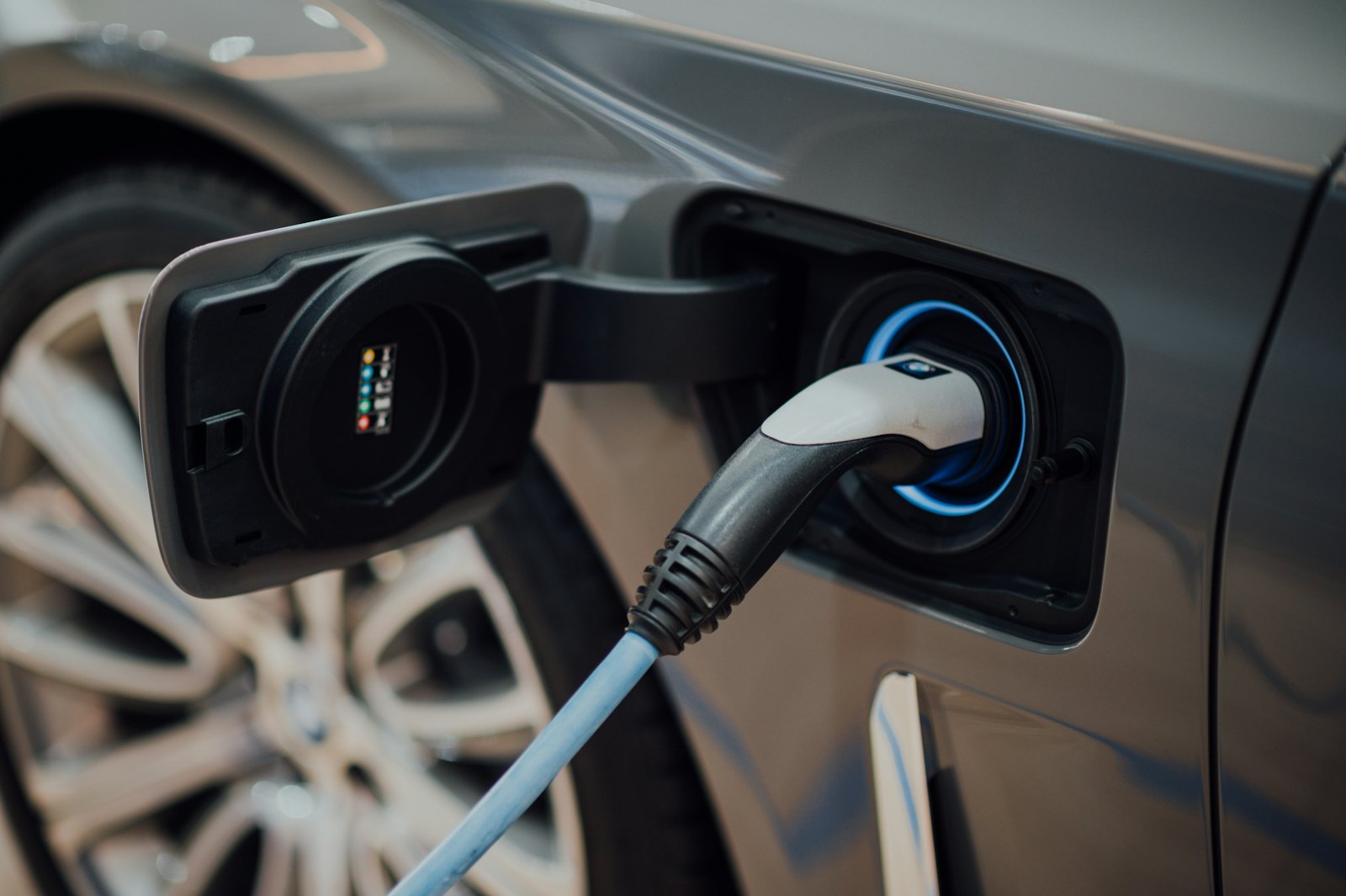
Photo: CHUTTERSNAP, Unsplash (xJLsHl0hIik)
The plugs
- J1772. The common connector for slower charging on most non-Tesla EVs in North America. Tesla drivers use a small adapter that usually comes with the car.
- CCS (J1772 Combo). The J1772 shape with two extra pins for fast charging. Most non-Tesla EVs fast-charge with this.
- NACS / Tesla connector. Tesla's connector, now being adopted across the industry. Many newer non-Tesla EVs can use these stations, sometimes with an adapter.
- CHAdeMO. An older fast-charge connector used by a small number of models.
- Wall outlets (NEMA). Ordinary or dryer-style outlets. Slow but useful overnight with the cord set your car came with.
The speeds
- Level 1 is a standard household outlet. It adds range slowly; a long overnight stay still makes it useful.
- Level 2 is the standard for hotels and homes. An evening-to-morning stay covers most of a typical day's driving for most EVs.
- DC fast is the highway tool, measured in kilowatts on our listings. Higher numbers mean shorter stops; your car's own limit also applies.
Reading a listing here
Each listing shows the connectors and levels its source reports, and the maximum reported power where available. If your connector is not listed, ask the property; adapters and unlisted outlets are common in practice.